
Ottawa plumberfor leaks, drains andeverything behind the wall
One call brings a plumber to your door anywhere in Ottawa. You hear what is wrong and what it costs before any work starts.
Follow the line
Four jobs come up more than any others in Ottawa homes. Each one has its own page with the details.
-
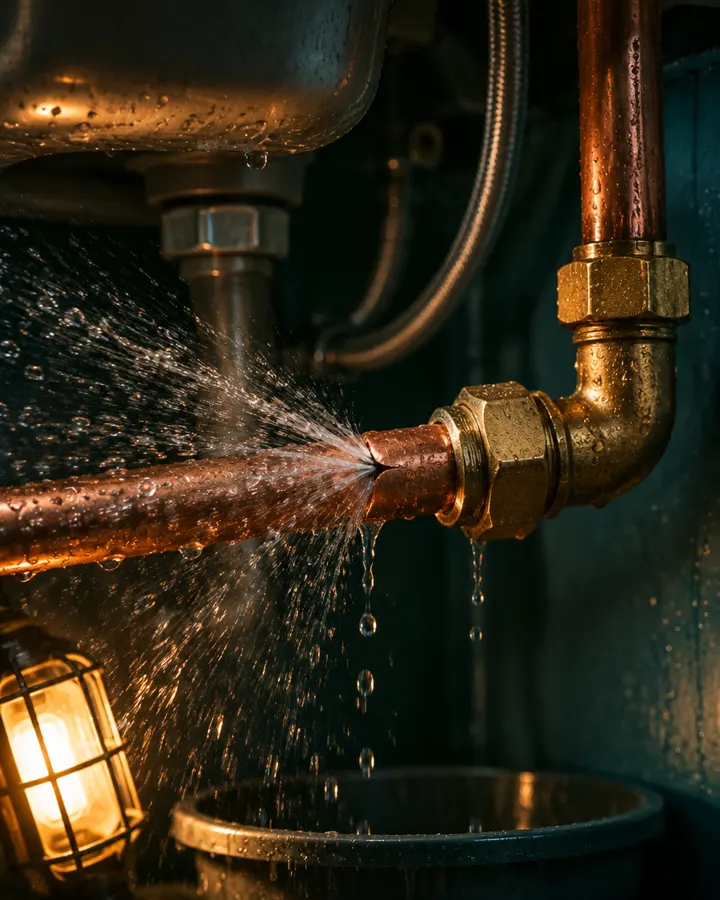
Burst pipes and urgent leaks
Water where it should not be gets worse by the minute. Shut the main valve, then call.
Emergency plumber in Ottawa -

Slow and blocked drains
Kitchen sinks, showers, floor drains and main lines cleared, with the cause found so it does not come back.
Drain cleaning in Ottawa -

Hot water that keeps up
Tank and tankless units supplied, installed and repaired, sized for how your household uses water.
Tankless water heaters in Ottawa -
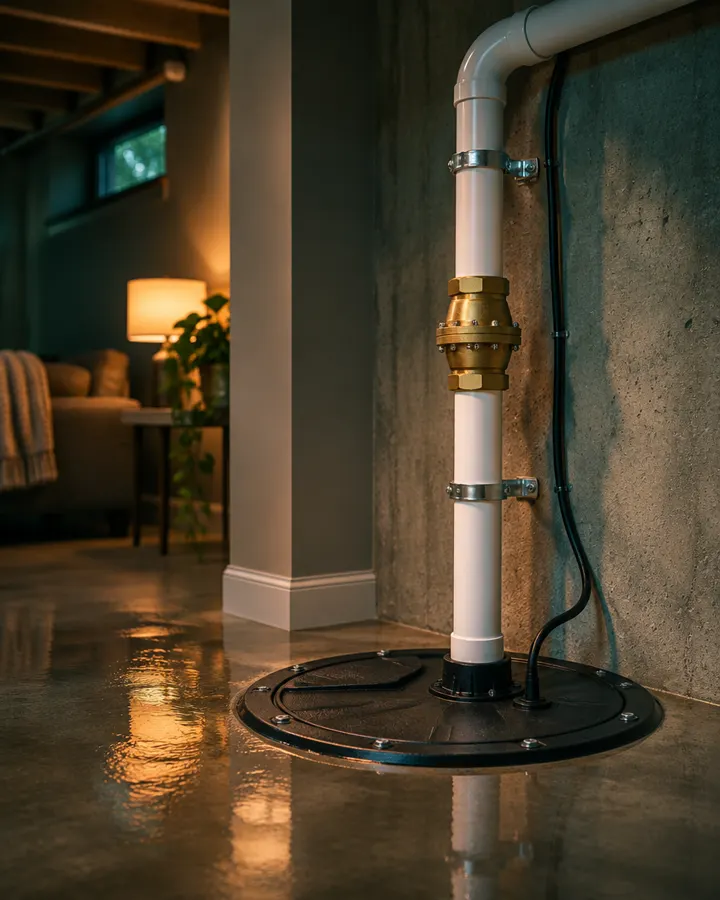
A dry basement in spring
Pumps, pits, check valves and battery backups for the thaw and the heavy summer storms.
Sump pump installation in Ottawa
Plumbing services in Ottawa, from a dripping tap to a full re-pipe
Most plumbing problems start small and out of sight: a slow drain, a stain on the ceiling, a water bill that crept up. The Ottawa Plumber finds the cause, shows it to you and fixes it so it stays fixed.
That covers repairs and new installations in houses, condos, rental units and commercial spaces. Taps, toilets, pipes, valves, fixtures and the lines that feed them.
What a plumber in Ottawa finds behind the wall depends on when the house was built
Ottawa has been laying pipe for more than 150 years, and every era used different materials. Knowing which one you live in tells you what is likely to fail first, and it lets a plumber arrive with the right parts.
- Before 1950Centretown, the Glebe, Sandy Hill, Hintonburg
Lead, galvanized steel and cast iron
The oldest streets can still have a lead pipe bringing water in from the street. Indoors, galvanized steel lines rust from the inside until pressure drops to a trickle, and cast iron drain stacks crack and weep at the joints.
- 1950 to 1977Alta Vista, Elmvale Acres, older Nepean
Copper and clay
Copper supply lines from these years are mostly sound, though pinhole leaks show up with age. The weak point is underground: clay sewer pipes laid in short sections, where tree roots work into the joints and block the line.
- 1978 to 1995Suburbs that grew through the 1980s
Poly-B
Grey plastic pipe called polybutylene, or Poly-B, went into many homes built or renovated in these years. It becomes brittle and tends to let go at the fittings. Insurers often ask about it before they renew a policy.
- 1995 to todayNewer subdivisions and condo towers
Kitec, then PEX
Between 1995 and 2007 some builders used Kitec, sold in bright orange for hot and blue for cold, with brass fittings that corrode and fail. Homes built since then mostly use PEX, which has held up well.
Plumbing repairs and installations across Ottawa
The four services above get their own pages. Everything else The Ottawa Plumber does is here, grouped the way people usually ask for it.
Not sure what is wrong?
Choose where the problem is. You will see what usually causes it and what to do before the plumber arrives.
In the kitchen
What it usually is
- Sink drains slowly or gurgles: grease and food built up in the trap or the line behind the wall.
- Water in the cabinet: a loose trap nut, a worn supply hose or a failed seal on the garburator or dishwasher line.
- Weak flow at the tap: a clogged aerator or a worn cartridge.
Do this now
- Stop running the sink and the dishwasher.
- For a leak, close the two small valves under the sink and put a bucket under the trap.
In the bathroom
What it usually is
- Toilet keeps running: a worn flapper or fill valve inside the tank.
- Tub or shower drains slowly: hair and soap packed into the trap.
- Stain on the ceiling below: a leaking drain, a failed toilet seal or a supply line inside the floor.
Do this now
- For a running or overflowing toilet, close the small valve on the wall behind it.
- Stop using the fixture above any ceiling stain until it is checked.
In the basement
What it usually is
- Water on the floor: a sump pump that has stopped, a leaking water heater or a backed-up floor drain.
- Floor drain backing up or a sewer smell: a blockage in the main line, often roots or years of buildup.
- No hot water: a fault in the water heater.
Do this now
- If a drain is backing up, stop running water anywhere in the house.
- Stay out of standing water near outlets or appliances.
- Check that the sump pump is plugged in and its breaker has not tripped.
Outside the house
What it usually is
- Outdoor tap leaks or sprays inside the wall: the pipe split when water froze in it over winter.
- A patch of lawn stays soggy: a leak in the buried water line to the house.
- No water from one tap in a cold snap: a frozen pipe.
Do this now
- Close the indoor valve that feeds the outdoor tap, then open the tap to drain it.
- For a frozen pipe, leave the tap open and warm the pipe gently with a hair dryer. Never use a flame.
Valve open. Tap the handle to close it.
How to shut off your water in a minute
Every adult in the house should know this before something leaks.
In most Ottawa houses it is in the basement, on the wall facing the street, where the water pipe comes in beside the meter.
A lever handle turns a quarter turn until it sits across the pipe. A round wheel turns clockwise until it stops.
Open a cold tap on the lowest floor and one upstairs. The flow will slow, then stop.
If the leak is large or on a hot line, switch off the breaker for an electric heater, or turn a gas heater to its pilot or vacation setting.
A year of Ottawa weather, as your pipes feel it
Few cities swing as far between January and July. Each season puts a different part of the plumbing under strain, and a little attention at the right time prevents most of the calls a plumber gets.
Winter
December to MarchPipes in outside walls, garages and crawl spaces are the ones that freeze. In a deep cold snap, keep the heat on, open the cabinet doors under sinks on outside walls, and let a tap run at a trickle overnight.
Spring
April and MaySnowmelt and rain raise the water table, so the sump pump works harder than at any other time. Pour a bucket of water into the pit to check that it switches on, and make sure the discharge line outside is clear of ice.
Summer
June to AugustSudden storms can push more water into the sewers than they can carry, and it backs up through basement floor drains. A backwater valve stops it. Summer is also the easiest time for planned work such as re-piping.
Fall
September to NovemberBefore the first hard frost, disconnect garden hoses, close the indoor valve that feeds each outdoor tap and open the tap to drain it. This single job prevents most split pipes found the following spring.
What decides the price of a plumbing job
No honest plumber can price a repair over the phone, because the same symptom can have a ten-minute cause or a two-day one. These are the things that move the number.
- Access. A valve in an open basement ceiling is quick. The same valve behind tile or a finished wall means opening and closing that wall.
- What the pipe is made of. Joining new pipe to old lead, galvanized steel or Poly-B takes special fittings and more care than copper or PEX.
- Repair or replace. A new cartridge can save a good tap. A corroded one is cheaper to replace than to keep repairing.
- Timing. Work that has to happen at night or on a holiday generally costs more than work that can be booked.
- Permits and inspections. Adding or moving plumbing usually needs a building permit, which adds a fee and a visit from an inspector.
That is why the price comes after the plumber has seen the problem, and before any work starts.
Money the City of Ottawa may give back
Two City programs can cover part of the bill for work that protects your home.
- Lead Pipe Replacement Program
- Support for replacing a lead water service pipe, including a rebate of up to $1,000 when you replace the private part of the pipe and the City's part has been or is about to be replaced. Details on ottawa.ca
- Residential Protective Plumbing Program
- Rebates for devices that keep sewers from backing up into the basement: up to $1,000 for an indoor backwater valve, up to $2,500 for an outdoor storm backwater valve, and up to $1,500 for a sump pump with battery backup in an existing pit or $3,000 in a new one. Details on ottawa.ca
Amounts are from the City's website in November 2026. Each program has its own eligibility rules and needs a building permit, so read the City's page before you plan around a rebate.
How a visit goes
You call or send the form
Say what you see: where the water is, what stopped working, when it started. A photo helps.
The plumber finds the cause
The problem is traced to its source and explained in plain words. You get a price before anything is taken apart.
The work is done and tested
The repair is made, pressure-tested and run in front of you. The space is left clean.
Questions worth asking any plumber before they start
Plumbing is a licensed trade in Ontario, and the answers to these three questions tell you most of what you need to know about who is in your house.
Are you licensed for this work?
Plumbers in Ontario hold a Certificate of Qualification in the plumbing trade, or are registered apprentices working under someone who does. You are entitled to ask to see it.
Are you insured?
Ask for proof of liability insurance and workplace safety coverage. Without them, damage or an injury on your property can land on you.
Will I get the price in writing?
A written price that says what is included, who gets the permit if one is needed, and what happens if something unexpected turns up behind the wall.
Across the city, both sides of the Greenbelt
The Ottawa Plumber works throughout Ottawa, from older homes in the core with cast iron and galvanized lines to new builds in the suburbs. Each neighbourhood has its own plumbing, and its own usual problems.
Centretown
Century-old houses, many split into apartments, stand beside condo towers here. A plumber in Centretown is as likely to trace a leak through a shared wall as to replace a galvanized line that has rusted shut, and some of the oldest streets still have a lead pipe bringing water in from the street.
The Glebe
Most Glebe homes went up in the early 1900s, and the tall trees planted with them now send roots into clay sewer pipes. Cast iron drain stacks and lead water services are the usual finds, and drain cleaning with a camera shows exactly what the roots have done.
Westboro
Older houses sit beside new infill, often on the same block. A Westboro plumber sees both ends of the story: cast iron and clay under the originals, and new semis whose plumbing ties into water and sewer connections laid decades earlier.
Nepean
Much of Nepean was built between the 1950s and the 1970s, which means copper supply lines indoors and clay sewer pipe outside. Pinhole leaks in ageing copper and roots in the sewer line are typical calls for a plumber in Nepean.
Kanata
Kanata grew quickly through the 1980s and 1990s, the years when grey Poly-B pipe was common, and some later homes were plumbed with Kitec. If you are buying a house or renewing insurance, a Kanata plumber can tell you which one is behind your walls.
Stittsville
An old village core with new subdivisions on every side. Many newer Stittsville homes count on a sump pump to keep the basement dry, and properties on the rural edge run on a well and septic system. Sump pump installation with a battery backup is a common request for a plumber in Stittsville.
Barrhaven
Old Barrhaven dates from the 1970s and 1980s, and most of the rest has gone up since 2000. For a plumber in Barrhaven that means first-generation water heaters reaching the end of their life, and a failing tank is the moment to price a tankless water heater.
Manotick
A village on the Rideau River where many homes still draw from a private well and drain to a septic system, while city watermains are being extended into the village. Well water is typically far harder than the city supply, so scale in heaters and fixtures is regular work for a plumber in Manotick.
Gloucester
Gloucester runs from 1960s streets in Beacon Hill and Blackburn Hamlet to new builds in Riverside South. The older homes bring copper and clay, the newer ones PEX, sump pumps and the occasional Kitec, and a plumber in Gloucester has to know which is which.
Orleans
Orleans has grown steadily since the 1970s, and homes from the 1980s may still have Poly-B. A sewer backup in a finished basement is the call nobody wants to make, so an Orleans plumber is often asked about backwater valves. If it has already happened, call an emergency plumber.
Before you call
What should I do while I wait for the plumber?
Turn off the water at the main shut-off valve, usually where the water line enters the house near the meter. Open a cold tap on the lowest floor to drain the pressure, switch off the water heater if the leak is on a hot line, and move anything valuable away from the water.
Do I get a price before the work starts?
Yes. The plumber looks at the problem first, explains what is wrong and gives you a price. Work starts only after you agree to it.
Which parts of Ottawa do you cover?
The whole city, including Kanata, Stittsville, Barrhaven, Nepean, Orleans, Gloucester, Manotick and the central neighbourhoods.
Do you work on businesses as well as homes?
Yes. Houses, condos, rental units, restaurants, shops and offices.
Is Ottawa's water hard or soft?
Soft. The City's central supply comes from the Ottawa River and measures about 30 milligrams per litre of hardness, which counts as very soft, so most homes in the city do not need a water softener. Homes on the rural well systems, such as Carp, Richmond, Munster, Greely and Vars, have much harder water and often do.
How do I know if my house has a lead water pipe?
Look at the pipe where it comes through the basement wall or floor to the meter. Lead is dull grey, soft enough to scratch with a key, and the scratch shines silver. A magnet will not stick to it. Homes on streets serviced before the mid-1950s are the ones most likely to have it, and the City will test your tap water for lead on request.
Should I replace Poly-B or Kitec before it leaks?
It is worth having it looked at. Both materials have a record of failing at the fittings without much warning, and a planned replacement costs far less than repairing water damage. Some insurers also ask about them, so check your policy.
Do I need a permit for plumbing work in Ottawa?
Swapping a tap or a toilet for a new one generally does not need a permit. Adding, moving or altering plumbing generally does, and so does installing a backwater valve or a new sump pit. The City of Ottawa's Building Code Services can confirm for your project.
Tell us what the water is doing
613-820-5583Calling is fastest when something is leaking. For anything that can wait a day, send the form and you will get a call back.